
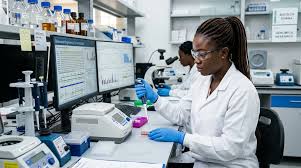
PCB Combination in Tanzania: Top University Courses, Requirements, and Career Paths
When it comes to advanced secondary education (Form 5 and 6) in Tanzania, the PCB combination is widely regarded as one of the most prestigious and challenging pathways. It serves as the ultimate gateway for students dreaming of saving lives in hospitals, conducting groundbreaking laboratory research, or pioneering innovations in industrial sciences.
If you are a high school student, parent, or recent graduate looking to understand what the future holds for a PCB student, this comprehensive guide breaks down the true meaning of the combination, the actual TCU university pathways, and the highly competitive job market awaiting you.
Setting the Record Straight: What is the PCB Combination?
In Tanzania’s advanced level curriculum under NECTA, PCB stands for Physics, Chemistry, and Biology.
Important Note: Do not confuse PCB with PCM (which replaces Biology with Advanced Mathematics). While PCB students do study Basic Applied Mathematics (BAM) to complement their scientific calculations, their primary focus remains on life sciences, chemical reactions, and the physical laws governing the universe.
This combination requires a high level of dedication, strong analytical skills, and a genuine passion for problem-solving.
Best University Degrees for PCB Graduates in Tanzania
Because PCB balances both physical and life sciences, the Tanzania Commission for Universities (TCU) opens doors to some of the highest-paying and most respected degree programs in East Africa.
1. Medical and Healthcare Sciences
This is the primary destination for the majority of PCB students. If your goal is to work in healthcare, PCB is the standard requirement.
-
Bachelor of Medicine and Bachelor of Surgery (MD / MBBS): The premier 5-year program to become a licensed Medical Doctor.
-
Bachelor of Pharmacy: A deep dive into chemical compounds, drug formulation, and pharmacology.
-
Bachelor of Science in Nursing: For advanced clinical practice and healthcare management.
-
Bachelor of Medical Laboratory Sciences: Focusing on disease diagnostics, pathology, and clinical testing.
2. Biological and Chemical Life Sciences
For students fascinated by microscopic worlds, genetics, and natural resources, these programs offer immense research potential.
-
Bachelor of Science in Biochemistry: Exploring chemical processes within living organisms—vital for modern medical and agricultural breakthroughs.
-
Bachelor of Science in Industrial Chemistry: Bridging the gap between lab experiments and mass manufacturing (food production, textiles, and pharmaceuticals).
-
Bachelor of Science in Biotechnology: Utilizing living systems to develop modern products and technologies.
3. Engineering and Applied Technology
Many people assume engineering is only for PCM students. However, several critical engineering fields specifically look for a strong biological or chemical background:
-
Biomedical Engineering: Designing and maintaining advanced medical equipment and artificial organs.
-
Environmental Engineering & Science: Addressing pollution, waste management, environmental impact assessments, and climate sustainability.
-
Agricultural Engineering: Innovating machinery, irrigation systems, and food processing systems to boost Tanzania’s agricultural sector.
4. Earth Sciences and Risk Management
-
Bachelor of Science in Geology: Studying the Earth’s structure to locate minerals, oil, gas, and groundwater resources.
-
Actuarial Science: While math-heavy, certain universities accept top-tier science students into this field to analyze financial risks for insurance companies and banks.
Career Opportunities: Where Do PCB Graduates Work?
Graduating with a degree after taking PCB places you in high-demand job markets across both the public and private sectors in Tanzania:
| Professional Field | Common Job Roles | Typical Workplaces |
| Clinical Healthcare | Medical Doctors, Pharmacists, Surgeons, Specialists | Public & Private Hospitals, Elite Clinics |
| Pharmaceuticals | Quality Assurance Officers, Drug Inspectors, Medical Reps | Manufacturing Plants, TFDA (TMDA) |
| Research & Academia | Research Scientists, Lab Analysts, University Lecturers | NIMR, TACRI, Government Laboratories |
| Industrial Sector | Industrial Chemists, Production Managers, Safety Officers | Beverage Plants, Textile Factories, Mining Firms |
| Environmental Sector | Environmental Officers, Conservationists, Consultants | NEMC, National Parks (TANAPA), NGOs |
5 Practical Tips for Future PCB Students and Graduates
Succeeding in a high-level science field requires more than just memorizing textbooks. To truly stand out in the Tanzanian market, keep these strategies in mind:
-
Prioritize Practical Lab Skills: Don’t just study for the paper. Master the actual laboratory techniques during your university years—this is what employers look for.
-
Secure Internships Early: During your long academic holidays, volunteer or intern at local district hospitals, industrial plants, or research hubs to build your CV.
-
Master Basic Software: Science operates on data. Learning how to use statistical tools or data analysis software will instantly make you more employable than your peers.
-
Build a Professional Network: Attend scientific symposiums, health conferences, and educational expos in Tanzania to connect with mentors who are already established in the industry.
-
Consider Specialization: The general job market can be competitive. Planning for postgraduate studies (Master’s or specialized certifications) can significantly elevate your earning potential.
Conclusion
The PCB combination remains a foundational pillar for innovation and development in Tanzania. By mastering Physics, Chemistry, and Biology, you aren’t just passing high school examinations—you are unlocking the door to essential global industries. With dedication and strategic career planning, a PCB background can lead to a highly rewarding, lifelong professional journey.